Application of multimedia
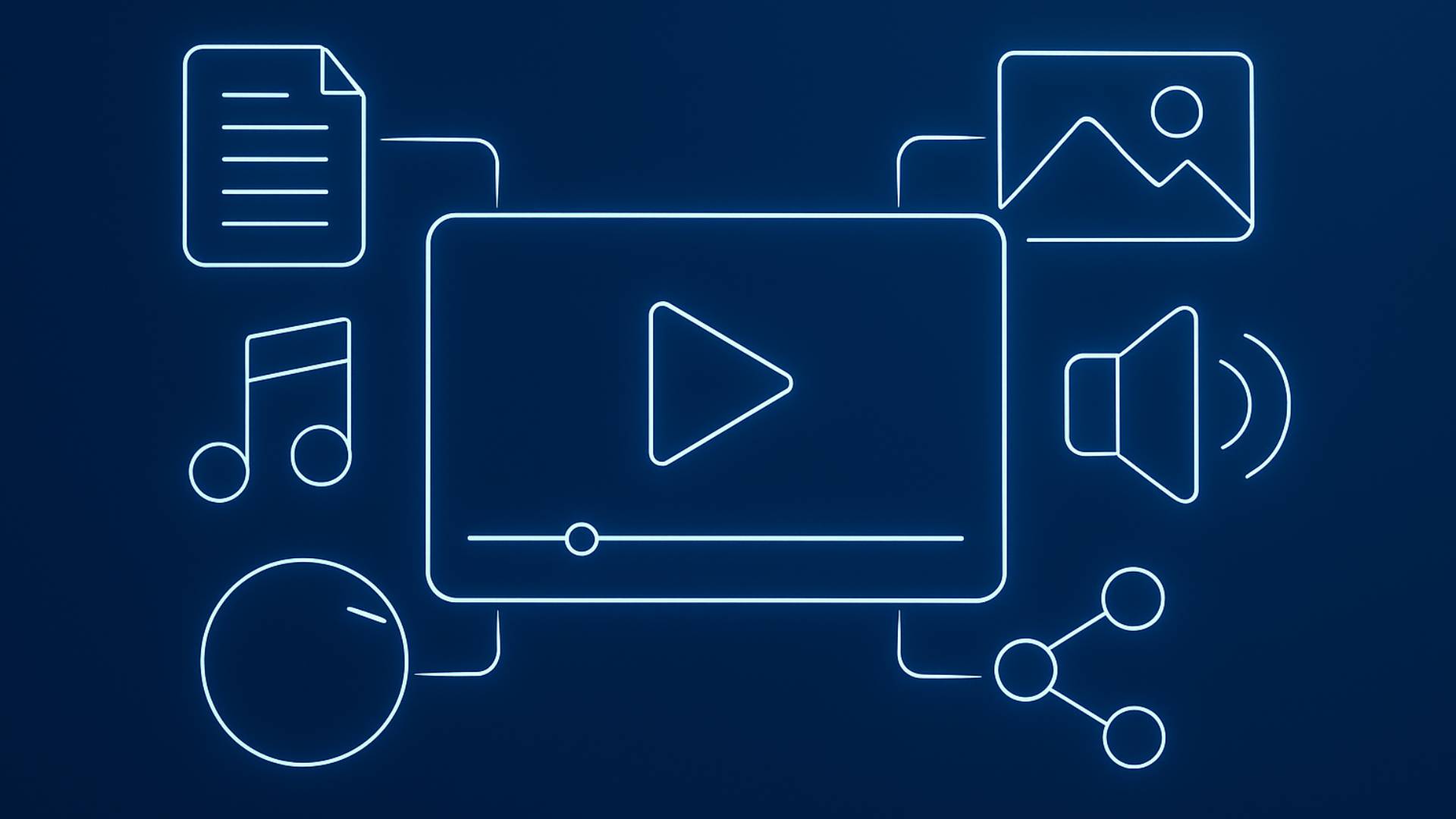
Multimedia has quietly become the invisible engine behind much of modern life. Though often associated with entertainment or flashy graphics, its applications go far beyond amusement. Multimedia integrates text, audio, images, animation, and video to deliver rich, interactive experiences—and its impact is felt across nearly every sector of society.
In the world of education, multimedia has revolutionized how we teach and learn. Gone are the days when lessons were limited to textbooks and blackboards. Today, digital classrooms use interactive videos, virtual simulations, and educational games to make complex topics easier to understand and more engaging. Students can learn about the solar system by navigating 3D models or explore history through immersive documentaries. This multisensory approach not only improves comprehension but also boosts retention.
The business sector, too, relies heavily on multimedia. Whether it’s a polished corporate presentation, an online training module, or a virtual product demo, companies use multimedia to communicate more effectively with both employees and customers. Advertisements are no longer just images and slogans—they’re stories told through motion and sound. Marketing campaigns leverage social media videos, animations, and interactive content to capture attention and generate brand loyalty.
In the realm of entertainment, multimedia is perhaps most visible. Films, video games, virtual reality, and streaming platforms all depend on layered media experiences to captivate audiences. Games blend 3D graphics, storytelling, music, and real-time interaction to create dynamic worlds. Music videos and online performances offer visually enhanced listening experiences that amplify the emotional impact of songs.
Healthcare has also embraced multimedia, particularly in training and diagnostics. Medical students can now use virtual simulations to practice surgeries before ever entering an operating room. Patients benefit from instructional animations that help explain procedures, conditions, and treatments in an understandable way. This not only enhances patient education but also builds trust between professionals and the people they serve.
Even the legal system, engineering fields, tourism, and public administration are using multimedia to improve workflows, enhance communication, and increase accessibility. Courtroom reconstructions use animations to explain complex scenarios to juries. Engineers rely on visual simulations to model infrastructure. Tourists use multimedia apps for virtual sightseeing and cultural immersion. Government portals provide digital services with user-friendly multimedia interfaces that streamline citizen engagement.
What ties all these applications together is the power of multimedia to bridge gaps—between disciplines, between people, and between the abstract and the concrete. By blending information with interaction, multimedia allows us to learn more deeply, work more efficiently, and connect more meaningfully.